Blog
One for All: Exploring OpenSFF Enclosure Layouts
Introduction
OpenSFF is a nonprofit organization developing an open hardware standard for modular, serviceable small form factor systems. Our specifications define three components: a processing module called the Compute Node, an optional management unit called the Management Module, and an electronic housing called the Enclosure. These components can be combined to create a wide range of systems, regardless of their vendors.
Compute Nodes and Management Modules have standardized dimensions. Vendors can design their module once and be assured that it will work with any compatible Enclosure. Meanwhile, the Enclosure has no defined layout or maximum size. This allows vendors to decide how many node slots their implementation will have, how they will be accessed, and how to cool them. These decisions all have tradeoffs; our standard encourages vendors to make those decisions rather than forcing them into a solution.
We explored the limitless potential of Core Enclosures in a previous article, but today we want to showcase the flexibility that Enclosure vendors will have in a more general manner. Even Enterprise Enclosures, which have more stringent requirements such as support for the Management Module and redundant power supplies, can be designed in a variety of ways.
Note that the examples we share in this article are sample architectures that simply illustrate what our standard allows. They are not validated and must not be taken as reference designs.
Rack-mounted
These OpenSFF-compatible systems allow vendors to create systems that easily integrate with existing data center hardware, where compute is packed into less space and infrastructure is shared across nodes. On the other hand, they require more careful consideration of airflow, accessibility, and maintenance.
Short-depth 2U 2-slot
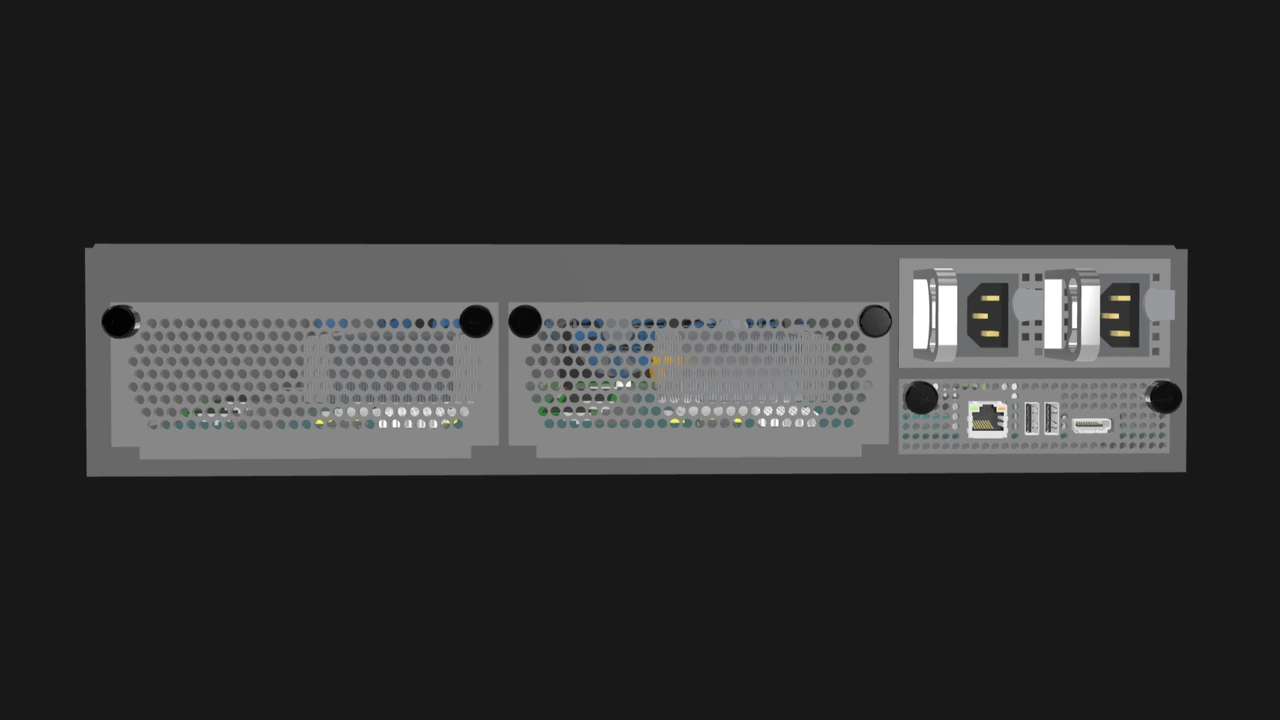
The simplest rack layout consists of a short-depth Enclosure that has two Compute Node slots. The nodes share power and management, making it highly suited for edge deployments or as a small server. This design trades density for size and simpler cooling and maintenance.
4-slot 3U
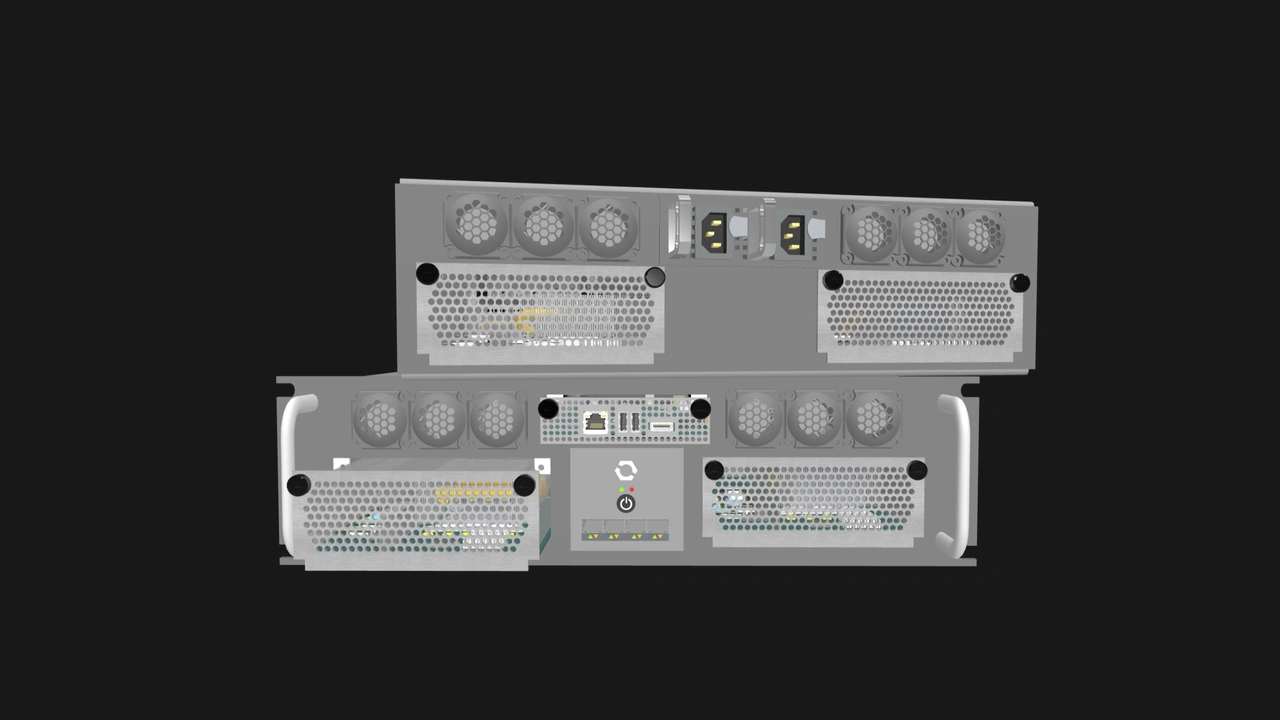
Moving up to a 3U Enclosure, we believe that vendors can arrange four Compute Nodes in pairs: two at the front of the chassis and two at the rear. Careful airflow planning may be required in this deeper and more crowded interior. The rear-facing node slots also mean that the rack must be accessible from both sides.
5-slot 4U
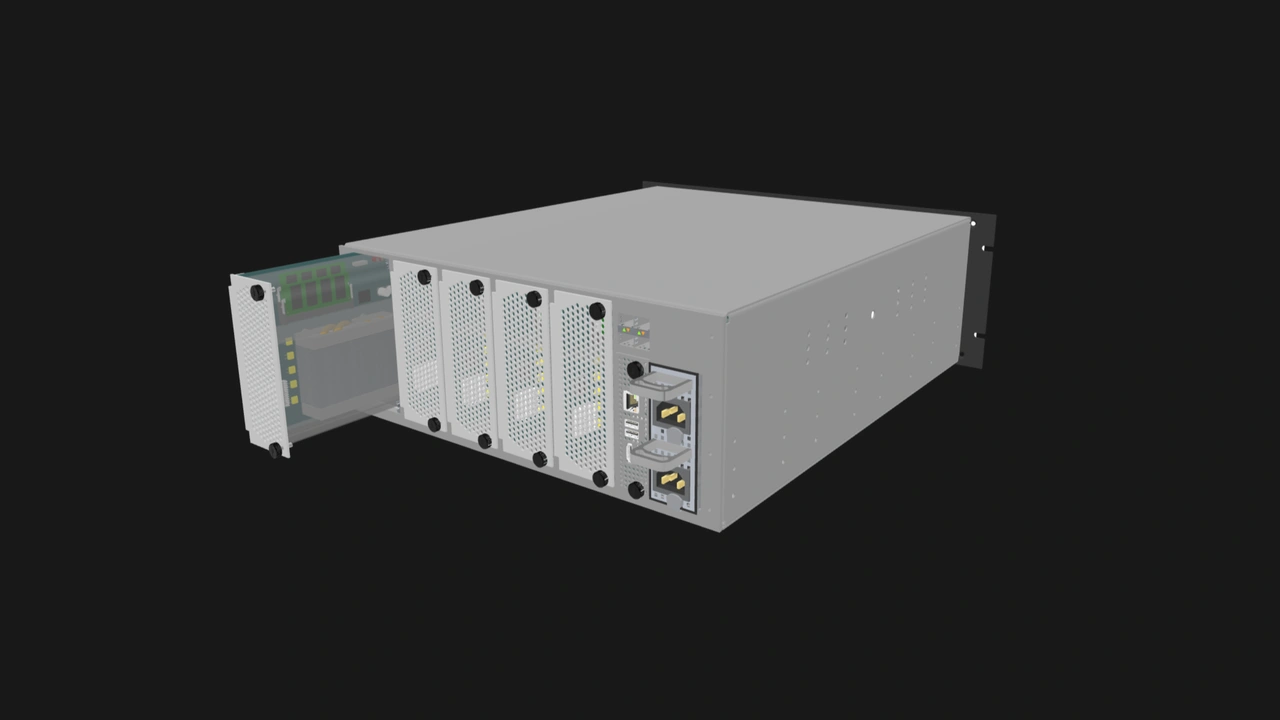
Vendors can orient node slots vertically for density. The retention mechanism stays the same, but cooling and access may be significantly different from horizontally-oriented configurations.
50U 192-slot rack
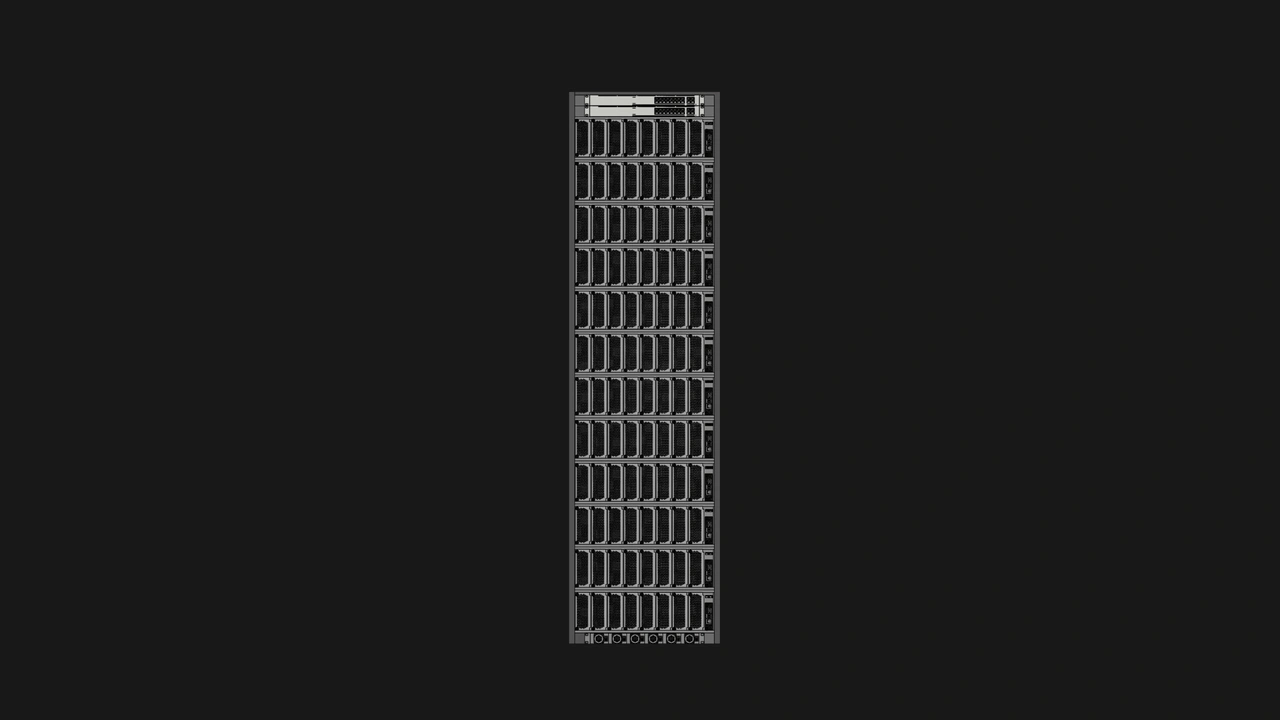
This concept pushes vertical orientation to its limit, creating a system that is highly suited for dedicated server providers. There is a lot to work out in terms of power, cooling, and networking for this implementation, but the Enclosure Specification would not prevent them from exploring this solution.
Tower
Some deployments do not have the need, budget, or space for a rack. Tower Enclosures allow small offices, cramped business spaces, and homelabs to have an OpenSFF-compatible system that still has shared power, cooling, and management.
5-slot tower server
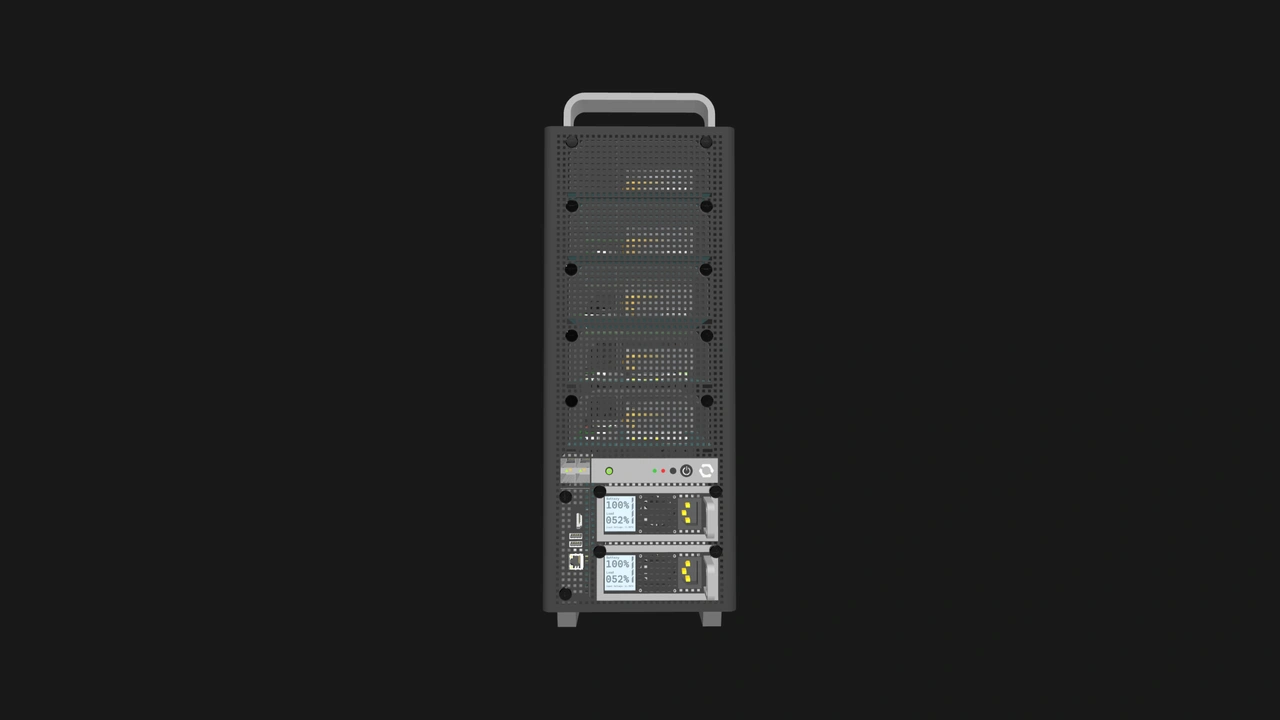
A five-slot tower offers the density of a small rack-mounted system in a form factor that can be placed on a desk or in a corner.
8-slot tower storage server
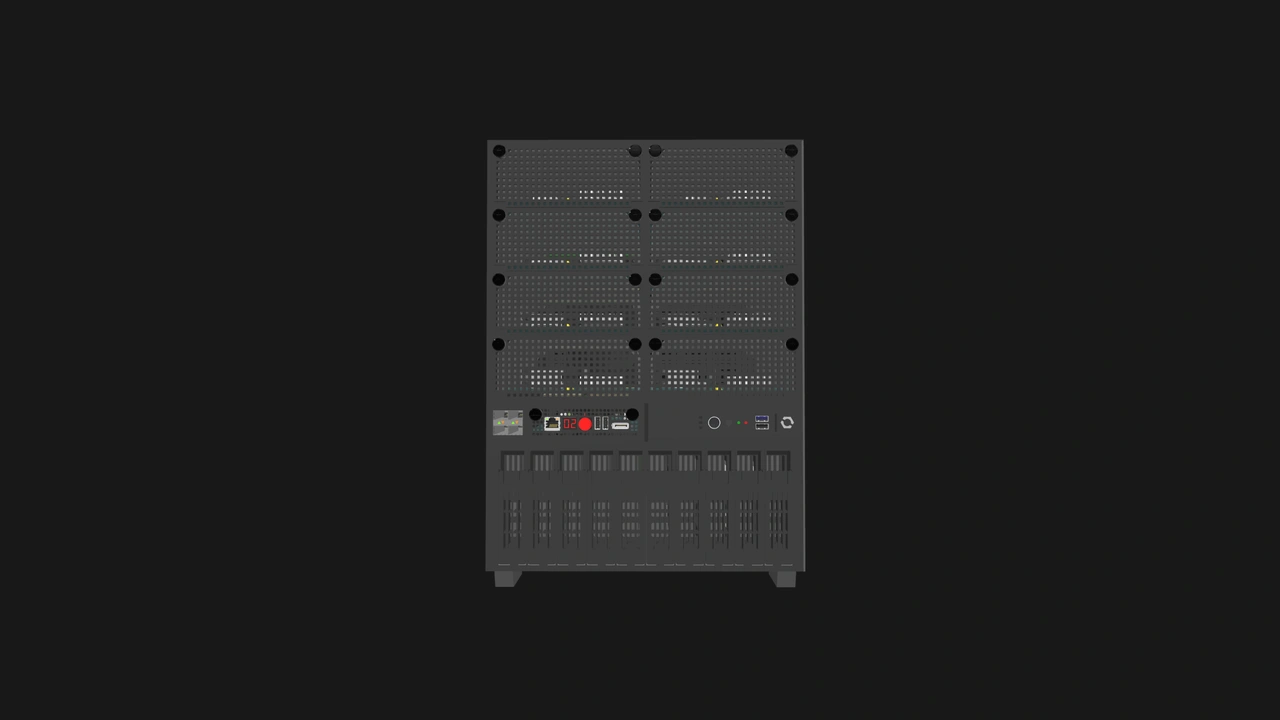
This concept illustrates that an OpenSFF-compatible system can be asymmetrical; that is, its nodes can have different capabilities suited to their purpose. In this case, two of the nodes provide a highly available replicated storage service, managing the 10 SAS drive bays in the Enterprise Enclosure. The other six nodes are for general purpose workloads and have little storage. They reach out to the storage nodes over the Enclosure’s internal switch fabric to access the Enclosure-bound drives.
2-slot tower firewall appliance
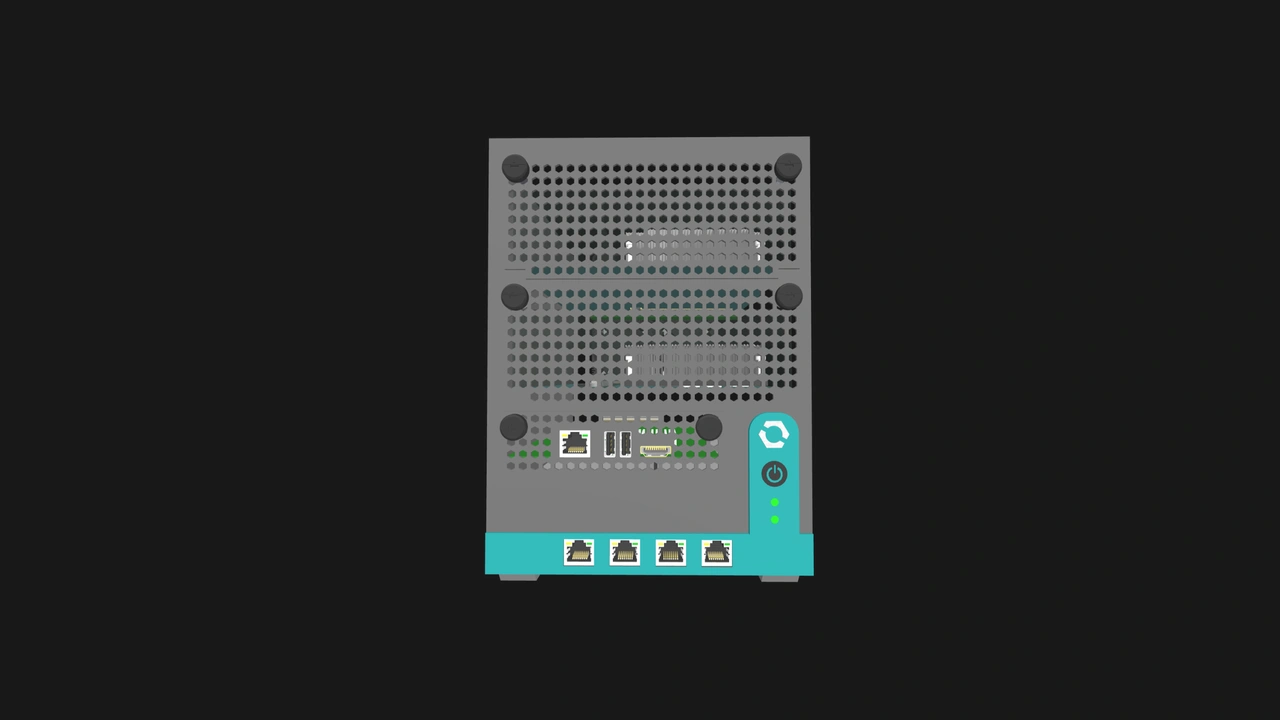
A dual-slot tower Enclosure can be designed to operate as a firewall appliance. The nodes can be configured for high-availability, either active/active or active/passive. If vendors can work out the complex network configuration, they can offer customers with a reliable and serviceable network device.
Single-slot
Vendors with a wide portfolio or those that want to build one can maximize their adoption of our standard by creating single-slot Enclosures or Compute Nodes catering to such systems. The Enclosure’s flexibility continues to be an asset here, with numerous form factors and node orientations available to vendors.
1-slot managed Enclosure
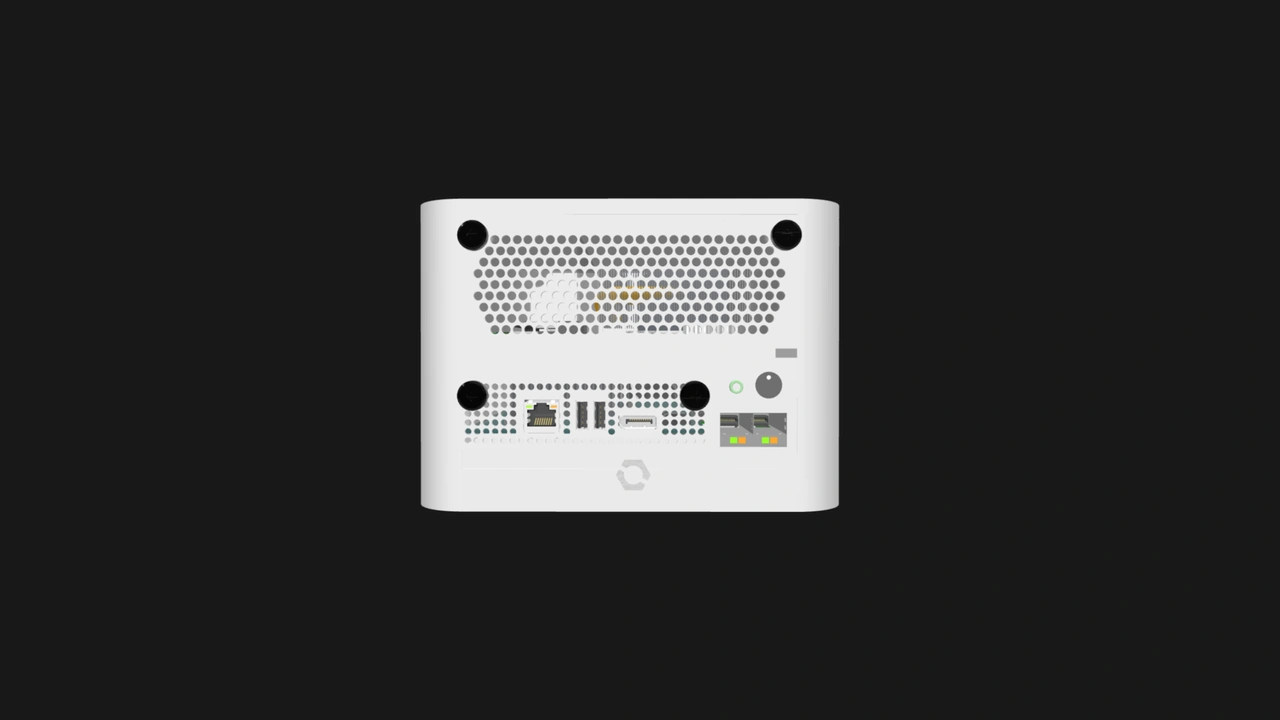
This straightforward mini PC can be a compact starter server. Its Core Enclosure’s support for the Management Module shows that our standard’s out-of-band management is not limited to enterprise-class systems.
1-slot horizontal side-mounted AIO workstation
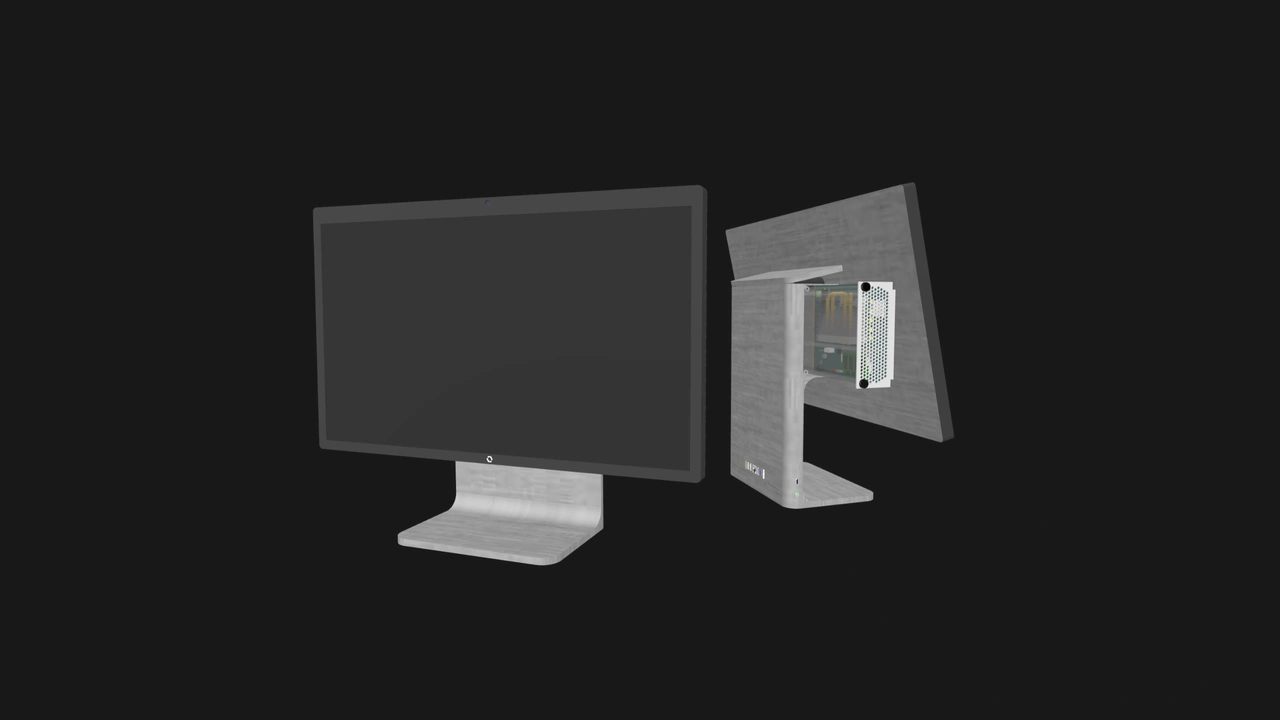
All-in-one (AIO) workstations are often sealed systems, typically resulting in the entire machine being replaced when one component fails. Our standard enables an AIO desktop that is powered by a serviceable, vendor-agnostic Compute Node.
1-slot horizontal side-mounted kiosk
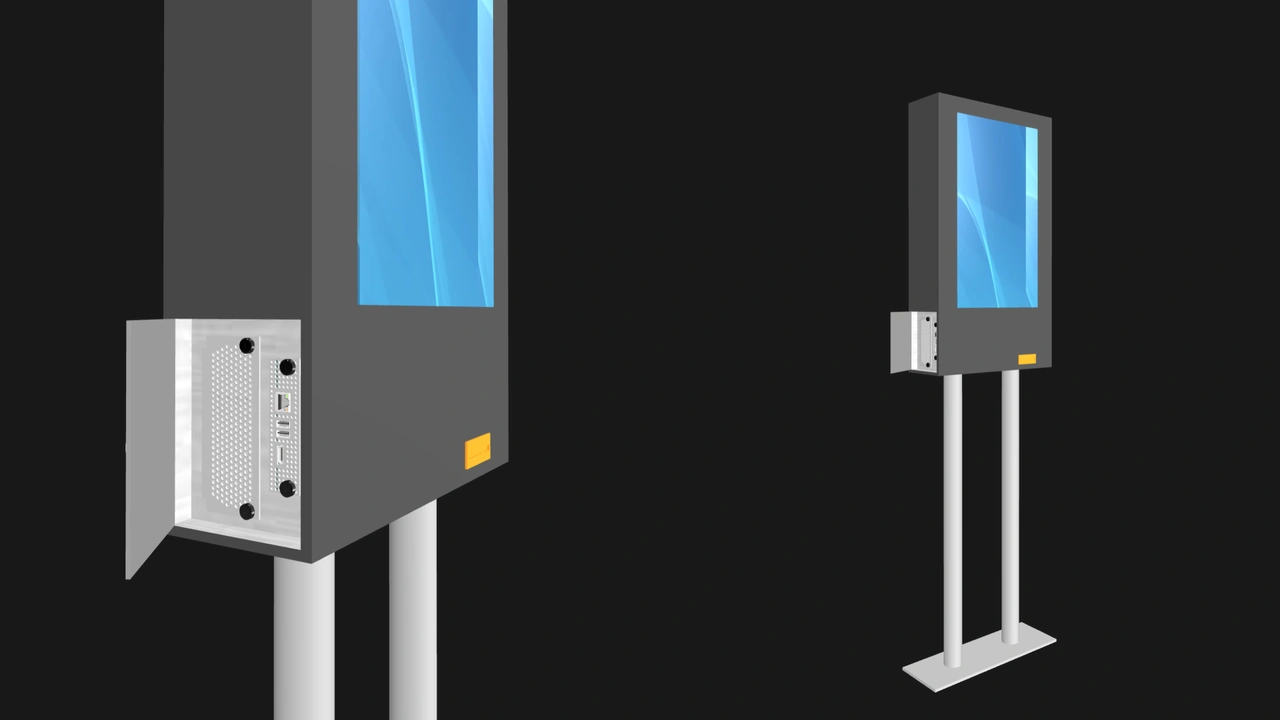
Another example of a single-slot managed Enclosure, this concept is similar to Intel’s Open Pluggable Specification, but with a modular, vendor-agnostic management unit that makes remote monitoring and maintenance more accessible.
1-slot top-mounted telco router
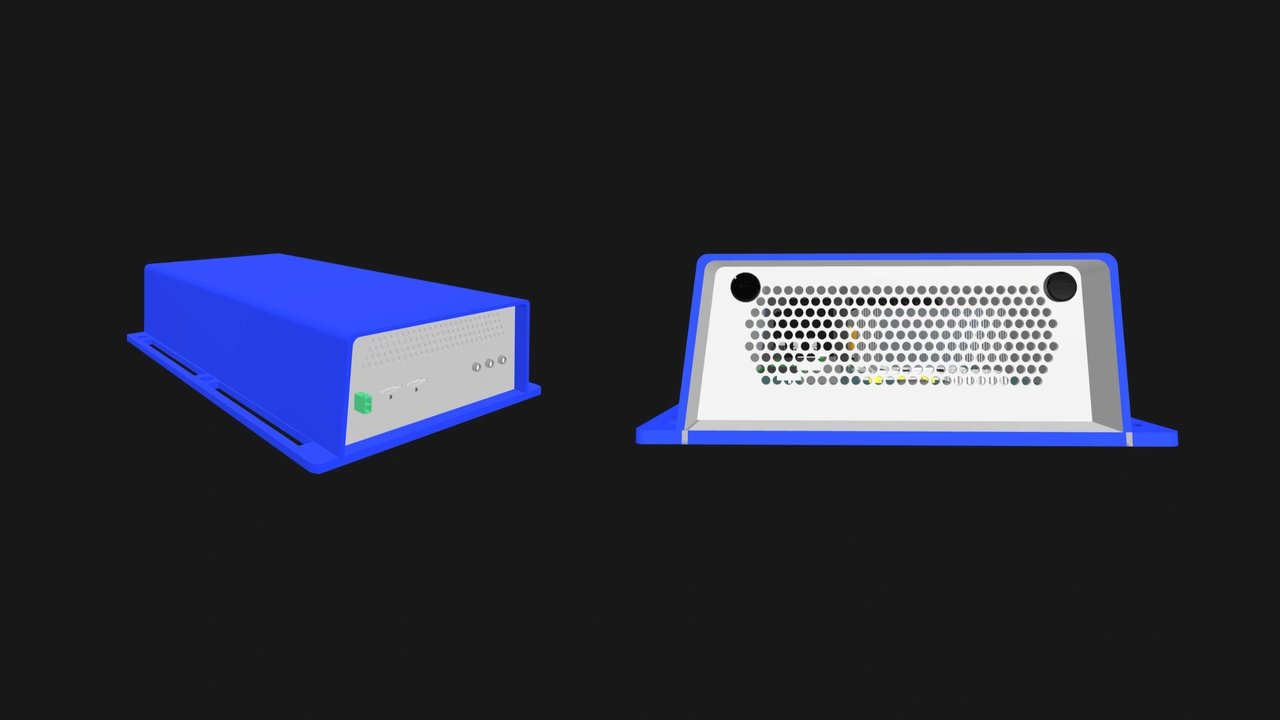
Our last concept is for a weatherproof Core Enclosure that is designed to be a cellular router. It is a good example of how an Enclosure can internally consume a Compute Node’s I/O signals rather than passing them out to ports. The rear I/O shield’s orientation helps protect it from rain and other elements.
Build with OpenSFF
Compute density, cooling, and accessibility are design goals that are often at odds. Some customers will prioritize dense compute, while others want quiet, compact systems. Our standard will allow vendors to cater to various demands, perhaps through multiple offerings.
If you enjoyed reading this, we invite you to learn more about OpenSFF and our specifications, and we would be grateful if you spread the word about our standard. For technical clarifications, partnerships, and other inquiries, reach out to our development team at [email protected].
Other Articles

Meet OpenSFF: an open hardware standard that enables cross-vendor compatibility, modular systems, and sustainable hardware reuse.
August 11, 2025
We go over the rise of virtualization and the open software adopted by home server enthusiasts, as well as the current challenges and the future of the hobby.
September 06, 2025
Learn why OpenSFF adopted the SFF-TA-1002 connector standard and how it enables our vision.
September 18, 2025